The retainer free from plastic.
bio.retainers are independently tested for microplastic release and published lot by lot — the longest-contact object in orthodontics, held to a standard you can read. Most retainers are PET-G plastic that sheds as it wears. Ours isn't, and we prove it.
Taking plastic out of dentistry, one product at a time.
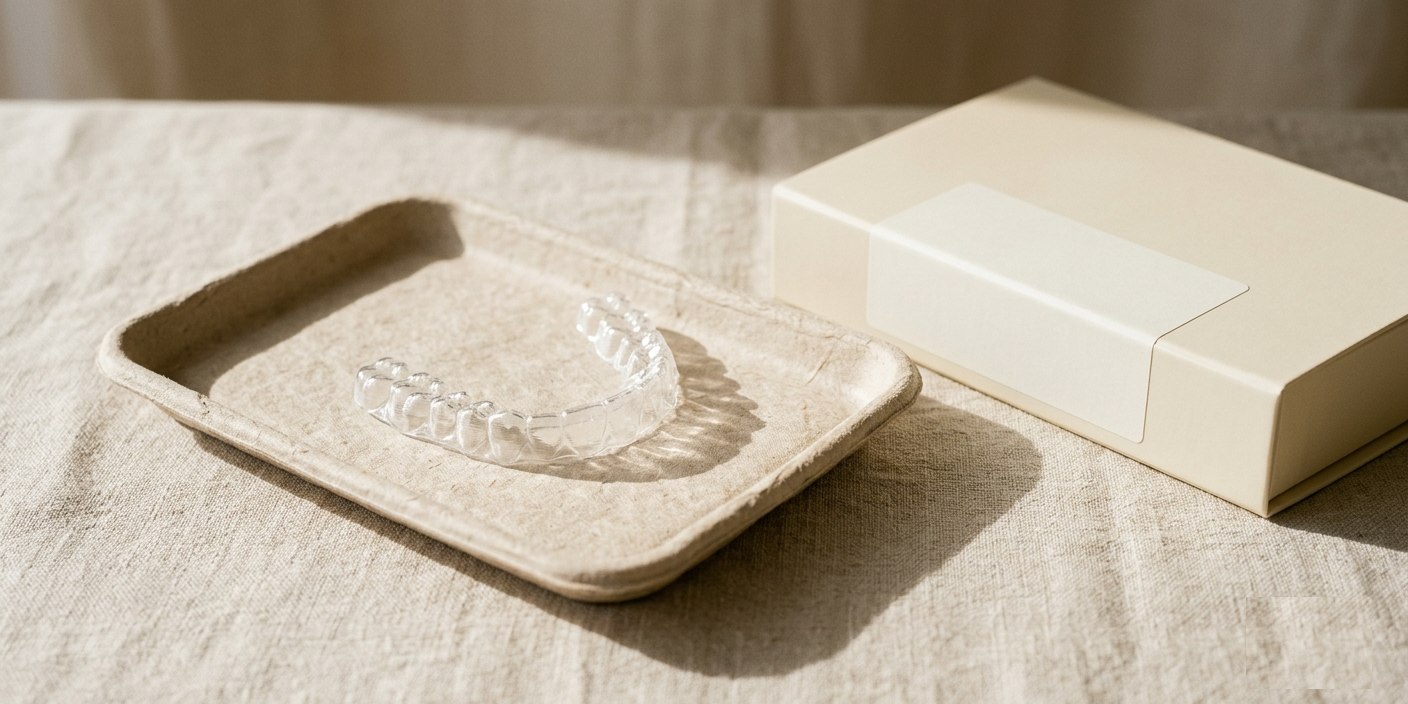
bio.aligners
The only UK clear aligner made from a plant-based, BPA-free material — not petroleum plastic. Designed by a UK specialist orthodontist, tested and published.
bio.retainers
The retainer independently tested for plastic shedding — every result published lot by lot. Order today.
Straighter, without the plastic.
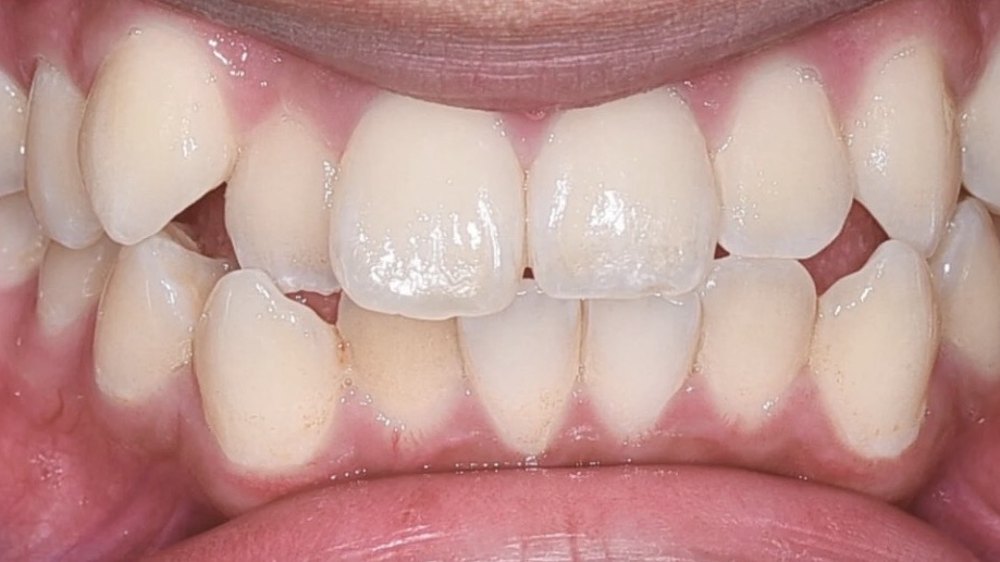
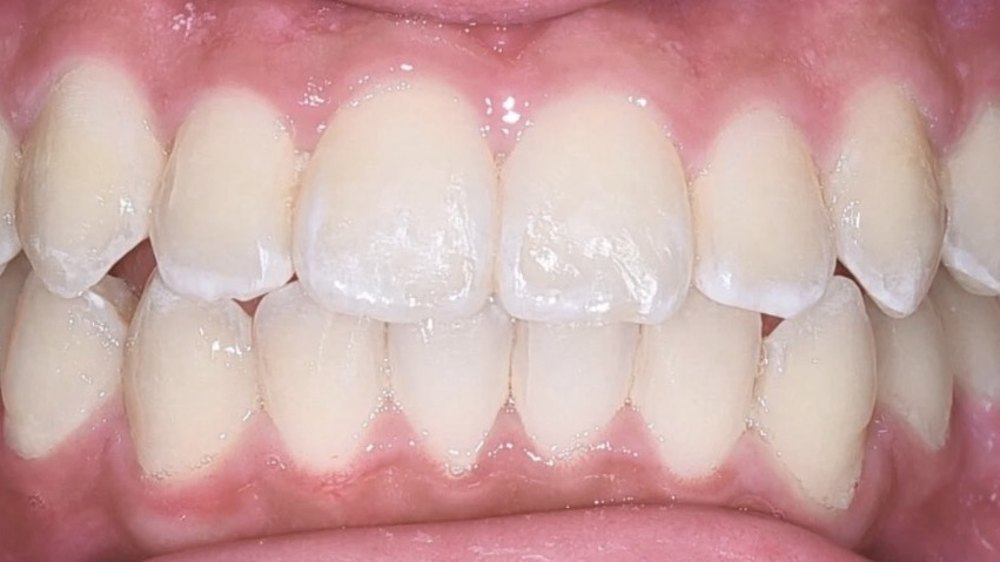
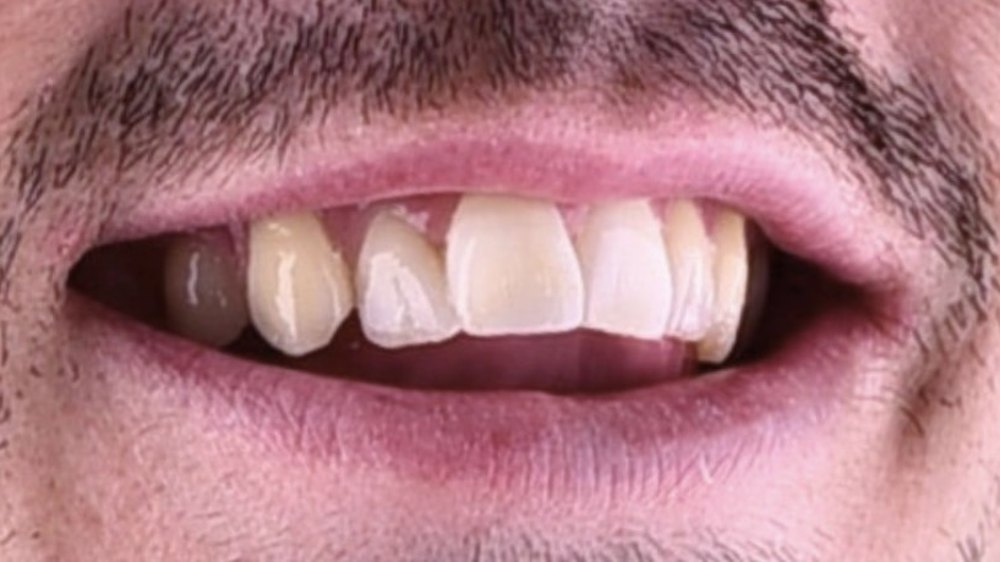
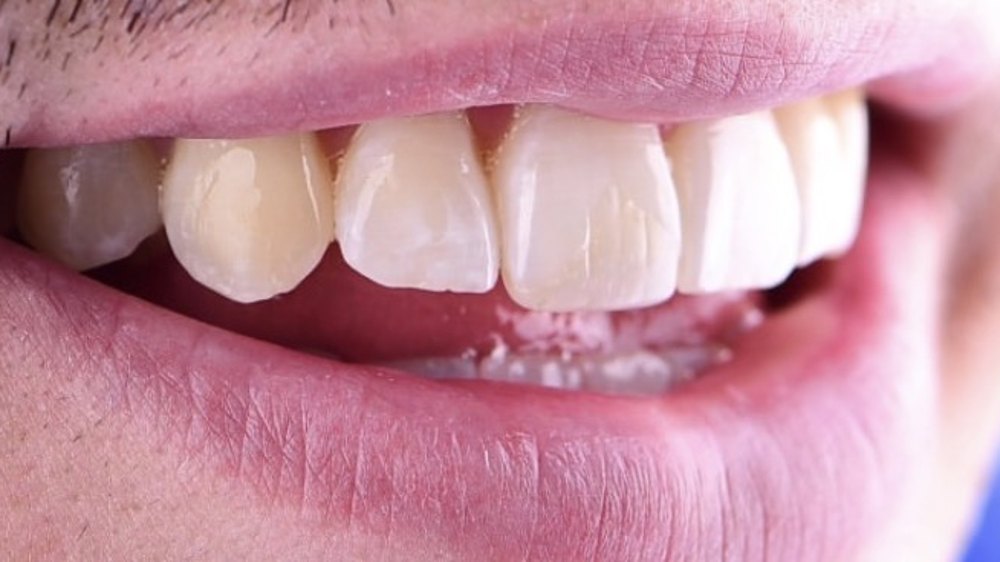
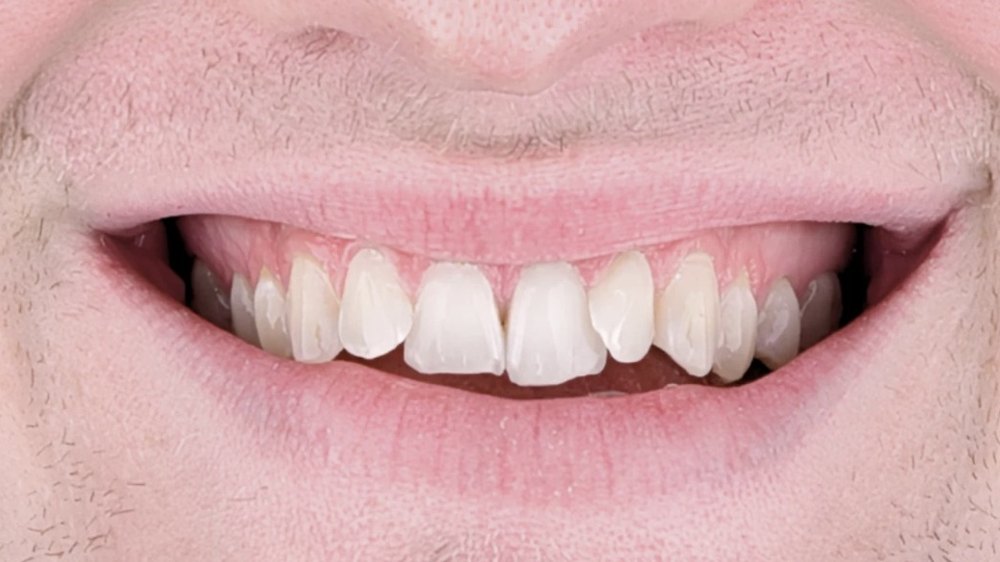
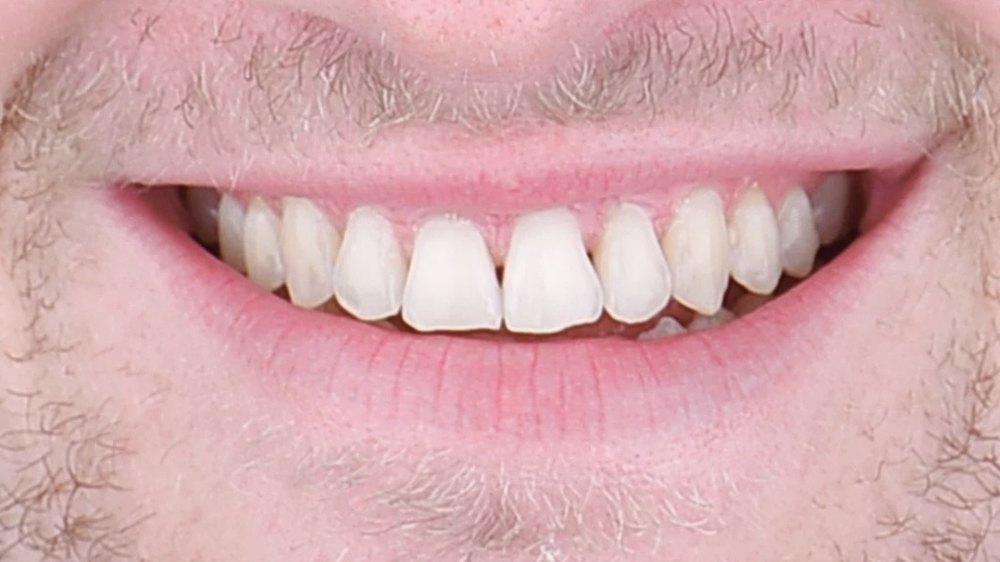
Real cases treated with bio.aligners. See all results →
A dental brand with one job: remove the plastic.
The plastic dentistry relies on doesn't belong in your mouth — and no one has been held to account for what it sheds.
We're rebuilding dental care with natural, biocompatible materials. Retainers first. Then bonding, aligners, everyday wear. New to the idea? Start with our guide to plastic-free dentistry.

Dental wear leaches plastic.
Dental devices break down with wear, shedding microplastics that build up in the body over time. The two that touch you most:
| Device | Made of | What wear releases |
|---|---|---|
| RetainerWorn nightly for years | PET-G thermoplastic | Micro- and nanoplastics, shed through years of abrasion and swallowed in saliva |
| Clear alignerWorn 20–22 hrs a day | Polyurethane copolymer | 5–20 µm particles under near-constant friction; the finest can cross the gut lining |
What microplastics do to your body
Lungs
Airborne particles found deep in lung tissue, linked to airway inflammation.
Gut
Swallowed daily and recovered routinely from the gut; linked to inflammation.
Hormones
BPA and plasticisers shed during wear are recognised endocrine disruptors.
Pregnancy
Found in placental tissue; children and the unborn are most at risk.
Source: Shariff et al. (2025), Progress in Orthodontics 26(1), Article 49.
The plastic-free range
bio.retainers
A bio-derived retainer, tested lot by lot for what it sheds. The longest-contact object in orthodontics, held to a published standard.
bio.aligners
The only plant-based clear aligner in the UK — not petroleum plastic. Specialist-designed, tested & published. From £1,045.
bio.bond
Plastic-free bonding and restorative material, tested in the open.
bio.everyday
Plastic-free daily essentials — brush, floss, paste.
What people are saying.
"Finally someone asking what these things are actually made of. The published testing sold me."— Verified customer
"The impression kit was genuinely simple, and the retainer fits perfectly. Beautiful packaging too."— Verified customer
"I've worn retainers for fifteen years and never thought about the material. I won't go back."— Verified customer
What's actually in your retainer?
Get our free 2-minute guide to dental-device materials — what they're made of, what they shed, and the questions worth asking. Plus early access to new bio. products.
A new standard for what touches you.
Most dental materials are plastic, and most makers publish nothing about what they shed during years of wear. We think that's unacceptable — and we're building the alternative.
Shop bio.retainers